Buying a home in Miramar Beach is a dream for many: sun-soaked beaches, close-knit neighborhoods, and laid-back coastal living are hard to resist. But before signing on the dotted line, it’s essential to look beyond the surface charm of any home. Understanding what to expect from a home inspection helps buyers make informed decisions, protect their investment, and avoid post-closing surprises.
Why a Home Inspection Matters, Especially in a Beach Town
Homes in coastal areas like Miramar Beach face unique environmental conditions. Salt air, high humidity, and seasonal storms can take a toll on building materials and systems. Whether you're eyeing a charming bungalow or a newly built home, an inspection provides an honest, professional assessment of the property’s condition, beyond what a buyer might notice on a casual tour.
It’s not about finding reasons to walk away. It’s about understanding what you're buying and whether it’s priced accordingly.
It’s not about finding reasons to walk away. It’s about understanding what you're buying and whether it’s priced accordingly.
When the Inspection Happens and Who Handles It
After an offer is accepted, the buyer enters an inspection period, typically 7 to 10 days in Florida. During this time, the buyer hires a licensed home inspector to assess the property. In Miramar Beach, it’s best to work with inspectors who understand the coastal environment and local building codes.
Experienced inspectors know to look for things like corrosion from salt exposure, wind-related wear, and signs of moisture intrusion, issues that might be missed by someone unfamiliar with the area.
Experienced inspectors know to look for things like corrosion from salt exposure, wind-related wear, and signs of moisture intrusion, issues that might be missed by someone unfamiliar with the area.
What a Home Inspection Covers
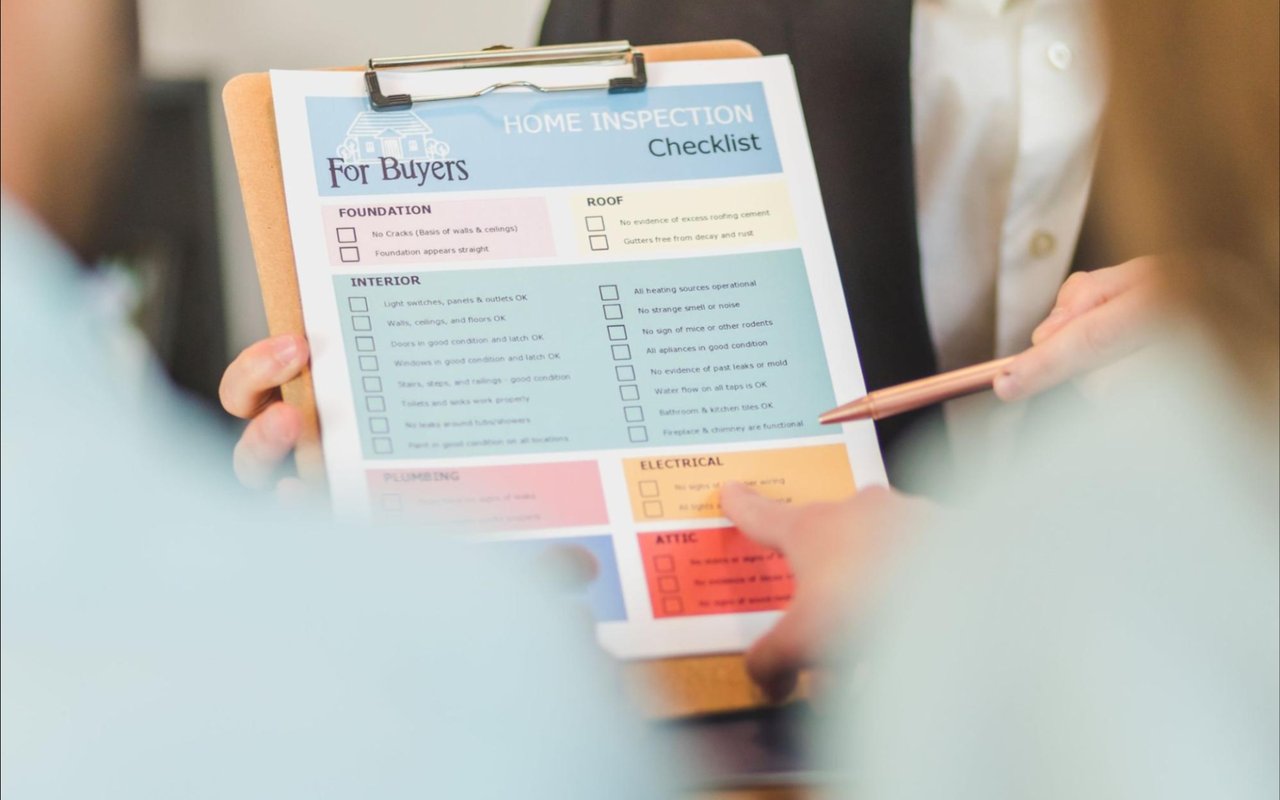
A comprehensive inspection touches every major component of the home, including:
- Roof – Looking for leaks, shingle condition, flashing, and ventilation.
- HVAC System – Testing efficiency and noting maintenance or repair needs.
- Plumbing – Checking for leaks, pipe age, and water pressure.
- Electrical – Ensuring everything from outlets to the breaker panel is safe and up to code.
- Structure and Foundation – Identifying settling, cracks, or moisture issues.
- Attic and Insulation – Looking for proper ventilation and signs of water damage or pests.
- Appliances – Basic checks of built-in kitchen and laundry appliances.
- Windows and Doors – Making sure everything opens, closes, and seals properly.
- Exterior Elements – Examining siding, gutters, decks, driveways, and drainage.
What’s Not Typically Included (But You May Want Anyway)
Some areas require separate evaluations. These can include:
- Pools and hot tubs
- Boat lifts or docks
- Seawalls or bulkheads
- Irrigation systems
- Elevators (in multi-story beach homes)
- Termite or wood-destroying organism (WDO) inspections
If you’re purchasing a vacation rental or planning to use the home part-time, you might also want to evaluate Wi-Fi speeds, smart home systems, or insurance costs in flood-prone zones.
Cosmetic Flaws vs. Deal-Breakers
No property is perfect; even new construction can have issues. A good inspector will separate minor cosmetic problems from serious red flags.
Minor issues may include:
Minor issues may include:
- Paint touch-ups
- Loose doorknobs or hardware
- Cracked tile or worn carpet
Potential deal-breakers include:
- Roof damage or active leaks
- Foundation cracks
- Faulty electrical wiring
- Mold, rot, or moisture behind walls
- HVAC systems on their last legs
In Miramar Beach, it's also wise to keep an eye out for signs of storm damage or salt-related corrosion, especially in properties close to the water.
How to Read the Report (and What to Do Next)
Once the inspection is complete, you’ll receive a detailed report, usually within 24 hours. These reports often include photos and notes, helping you visualize the findings. It might feel overwhelming at first, but your agent can help you prioritize the most important items.
You can then do one (or more) of the following:
You can then do one (or more) of the following:
- Ask the seller to make repairs before closing
- Request a credit or price adjustment
- Accept the home as-is and budget for future fixes
- In rare cases, walk away (if your contract allows)
Negotiation is common after inspections, and it’s not unusual for sellers in competitive areas like Miramar Beach to be open to reasonable requests, especially if it keeps the deal on track.
Can Sellers Get Ahead of the Game?
Absolutely. Sellers can choose to do a pre-listing inspection to uncover issues early and make repairs on their own timeline. It’s a wise move, particularly in Miramar Beach, where buyers are often from out of town and appreciate a more transparent transaction. It can also help listings stand out as “move-in ready,” which may lead to stronger offers.
Local Considerations That Affect Inspections
Living on or near the coast comes with extra responsibilities. Salt air can wear down metal fixtures and roofing materials. High humidity increases the chances of mold and mildew in improperly ventilated areas. Older homes may have outdated storm protection or drainage systems that don’t meet today’s standards.
That’s why working with a team and an inspector who understands the Miramar Beach market (and its weather) is crucial. They’ll know what to flag, what’s typical, and what might cost more than expected down the line.
That’s why working with a team and an inspector who understands the Miramar Beach market (and its weather) is crucial. They’ll know what to flag, what’s typical, and what might cost more than expected down the line.
Final Thoughts: It’s Not About Passing or Failing
A home inspection isn’t a pass/fail test. It’s about arming you with knowledge. Understanding what to expect from a home inspection gives you the confidence to move forward or renegotiate if necessary. It also helps you start homeownership with realistic expectations about maintenance and future improvements.
Ready for a Smooth Home Buying Experience?
If you’re thinking of making a move in Miramar Beach, it pays to work with a local expert who knows how to navigate inspections, contracts, and coastal quirks. The team at The Agency Northwest Florida Beaches is ready to help you find the right property and make sure it’s the right fit from day one. Reach out today to learn more about how they can guide your journey home.